I have identified a critical information gap regarding how extreme cold impacts the emergency items themselves, such as battery-depletion-rates and the shelf life of food and water in freezing temperatures. I am investigating these nuances to provide more robust advice on kit maintenance and storage strategies that prevent the supplies from failing when they are needed most.
JUMP TO
1. Maintain Smooth Inputs
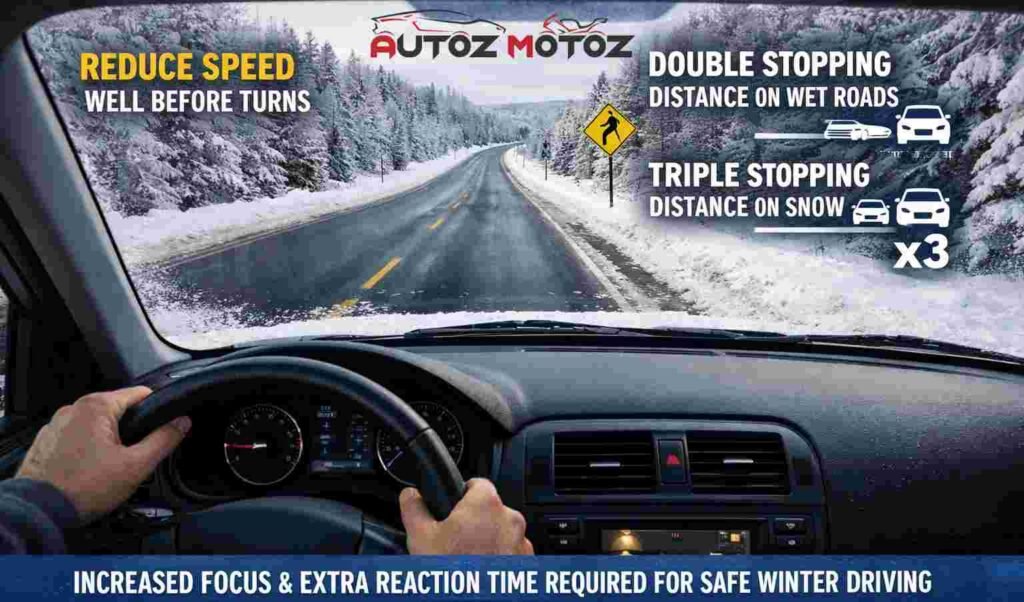
Abrupt maneuvers on icy surfaces are frequently avoided when the steering wheel, accelerator, and brakes are operated with intentional fluidity. Because a tenuous grip is held by the tires on slippery roads, traction is easily compromised by jerky movements. Consequently, every adjustment of the controls must be performed in a deliberate and gradual manner. To ensure maximum stability, the vehicle should be guided as if a delicate liquid were being balanced in the driver’s lap, whereby any sudden shift is strictly prevented.

2. Prioritize Long-Range Vision
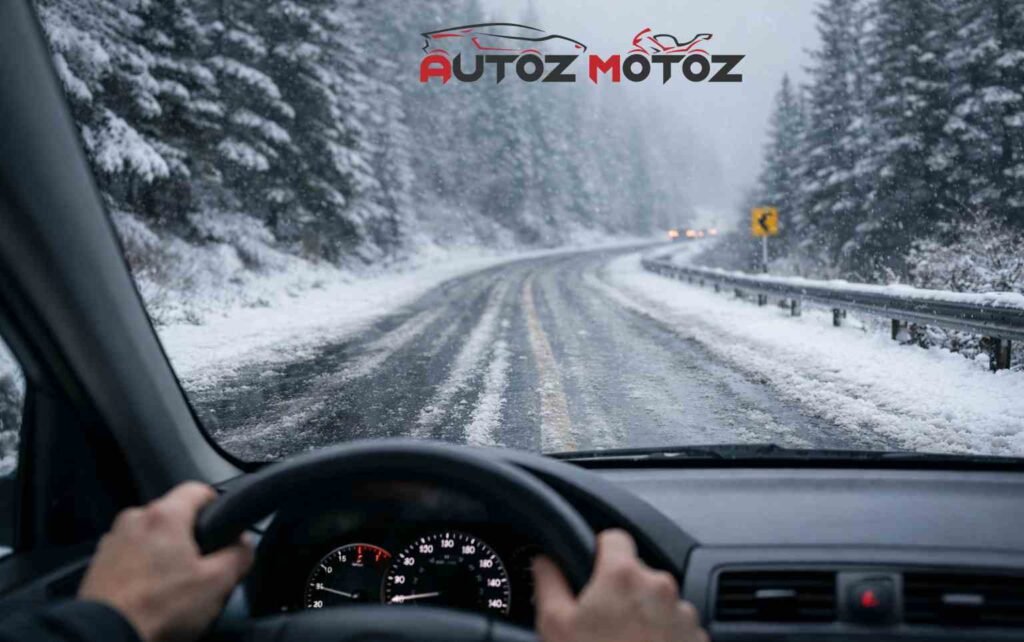
Heightened safety is achieved when the gaze is shifted significantly further down the path as surfaces become increasingly slippery. By scanning the road ahead, future maneuvers are more effectively anticipated before they are required. Furthermore, speeds are substantially reduced well in advance of turns to ensure stability is maintained. Because traction is limited, stopping distances are doubled on wet pavement and tripled on snow-covered routes. Ultimately, the extra concentration demanded by winter travel is only supported when ample time for reaction is secured.
3. Monitor Dashboard Alerts
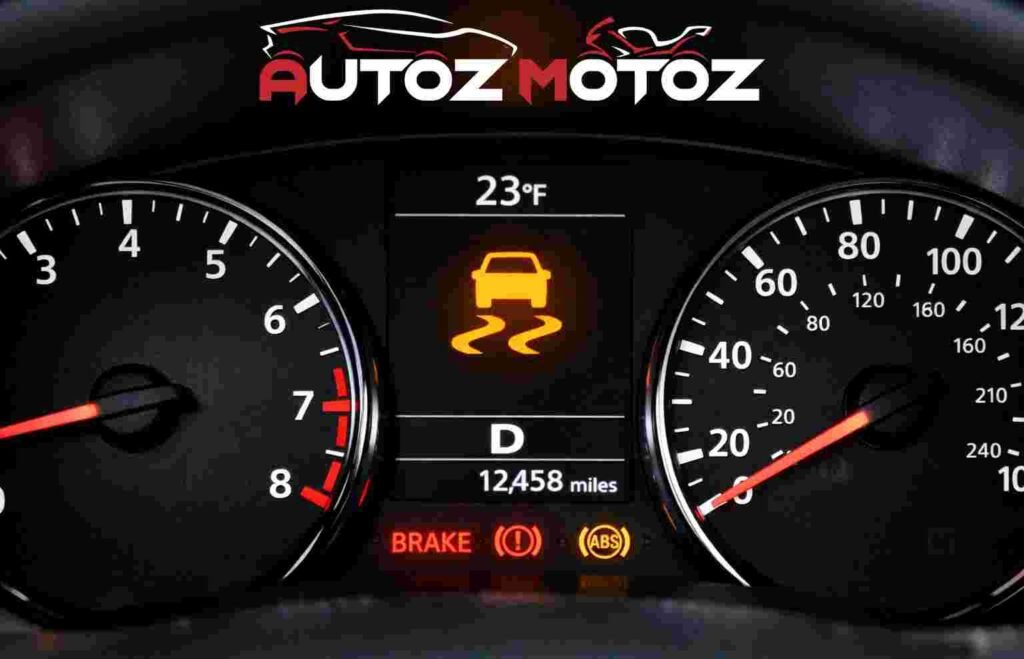
Actual traction levels on snowy surfaces are more accurately gauged when the instrument cluster is closely monitored. Specifically, the stability-control warning—often represented by a car with squiggly lines—is triggered whenever drive wheels begin to slip. Should this amber light be observed while traveling in a straight line, the accelerator must be eased back so that grip is regained by the tires. Similarly, if the alert is activated during a turn, the vehicle is being identified as drifting from its intended path. By avoiding aggressive acceleration and ensuring all inputs are handled gently, abrupt and untoward loss of control is effectively prevented.
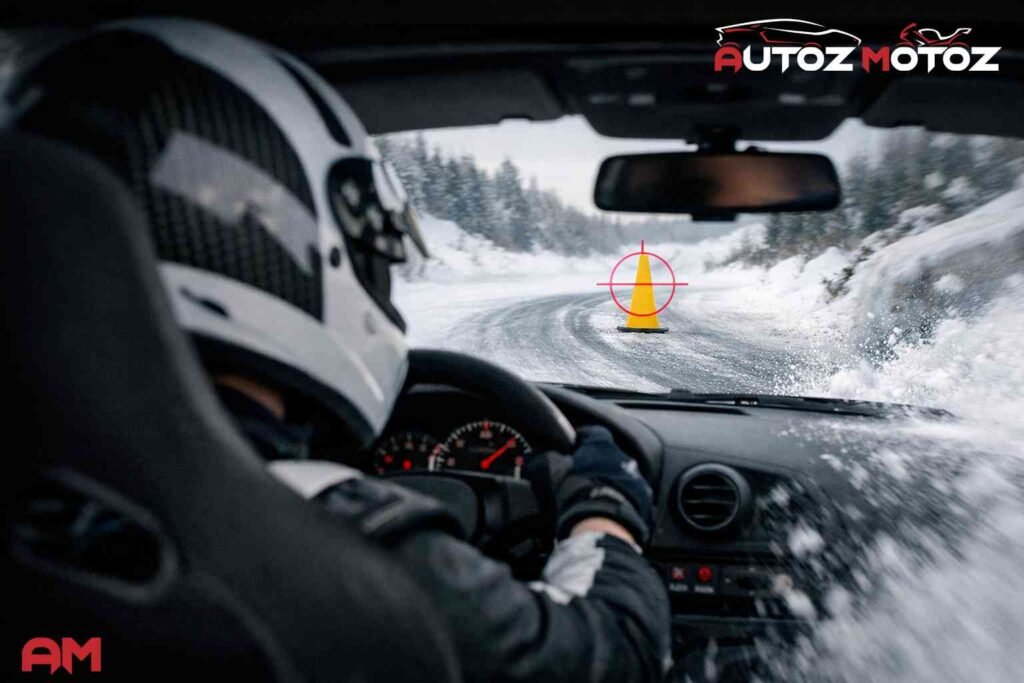
4. Steer Toward Targets
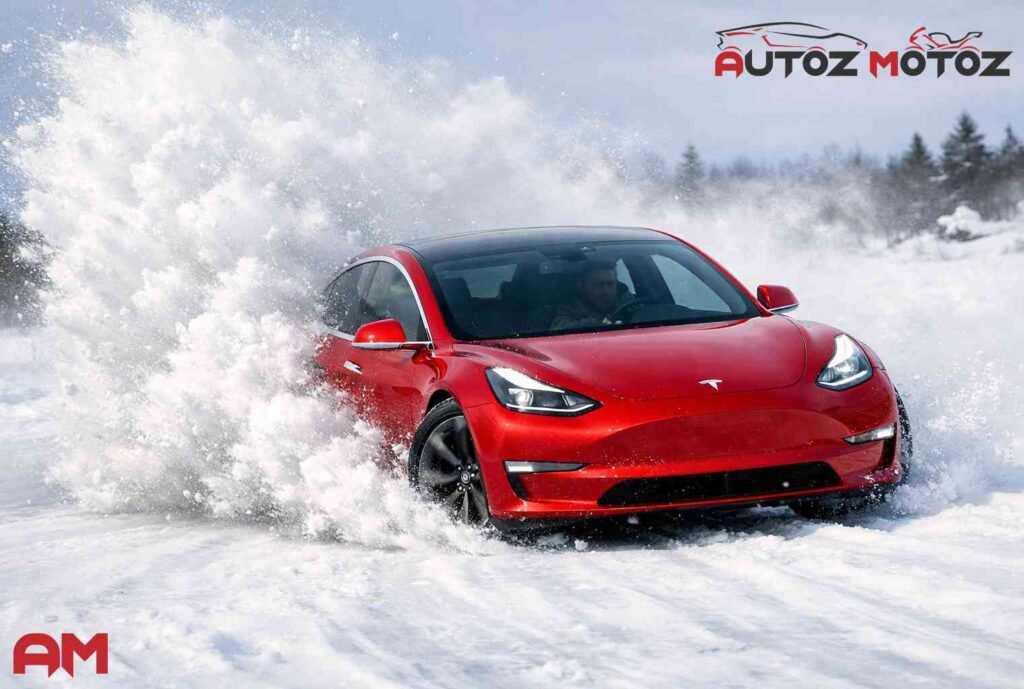
Control is more effectively maintained during a skid when the gaze is fixed precisely on the intended path rather than the direction of the slide. Because the vehicle is naturally steered toward the point of focus, the desired route must be prioritized by the eyes at all times. Meanwhile, obstacles are successfully managed by the peripheral vision while the primary attention remains locked on the target. This technique, frequently mastered by professional drivers, ensures that recovery is achieved by aligning the car’s trajectory with the driver’s visual goal.
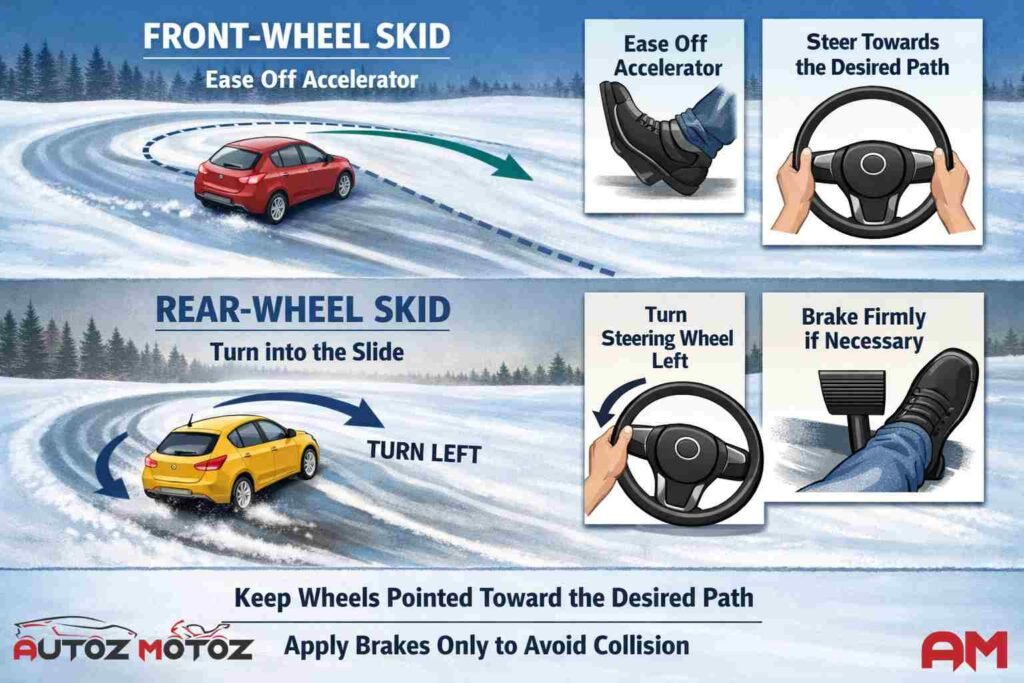
5. Manage Vehicle Skids
Control is successfully regained when a sudden loss of traction is met with composure rather than panic. Should a front-wheel skid occur, where a wider arc is traveled than intended, the accelerator must be eased until grip is restored to the front tires. Conversely, if a rear-wheel skid is experienced and the back of the car begins to swing, the steering wheel should be turned quickly in the same direction as the slide. For instance, if the rear is felt swinging to the left, the wheel must be turned to the left accordingly. Throughout these maneuvers, the wheels are kept pointed toward the desired path so that the vehicle is safely stabilized. While the brakes are generally avoided during recovery, the pedal should be firmly applied only if an impact is deemed imminent.
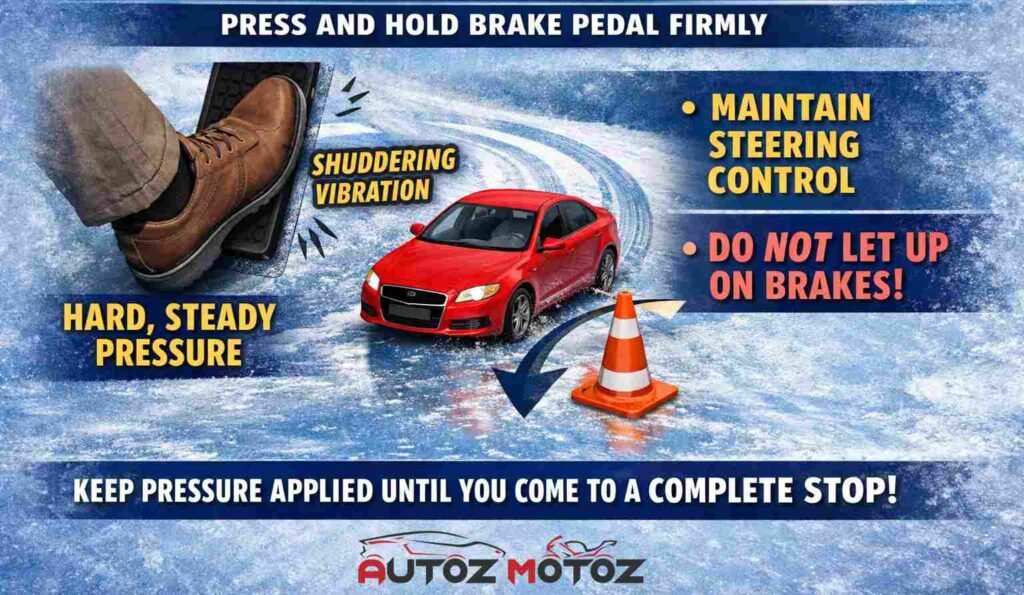
6. Apply Constant ABS Pressure
Emergency stops on frozen surfaces are most effectively managed when the vehicle’s anti-lock braking system is fully engaged. If a skid cannot be corrected or an obstacle must be avoided, the brake pedal should be pushed down with maximum force and held firmly without release. Because the onboard computer is designed to optimize deceleration, each wheel is monitored to provide the most aggressive braking allowed by the available traction. Furthermore, the ability to maneuver around hazards is maintained even while the pedal is fully depressed. Although a shuddering vibration is often felt through the foot as the system activates, the pressure must be sustained until the vehicle is safely halted.
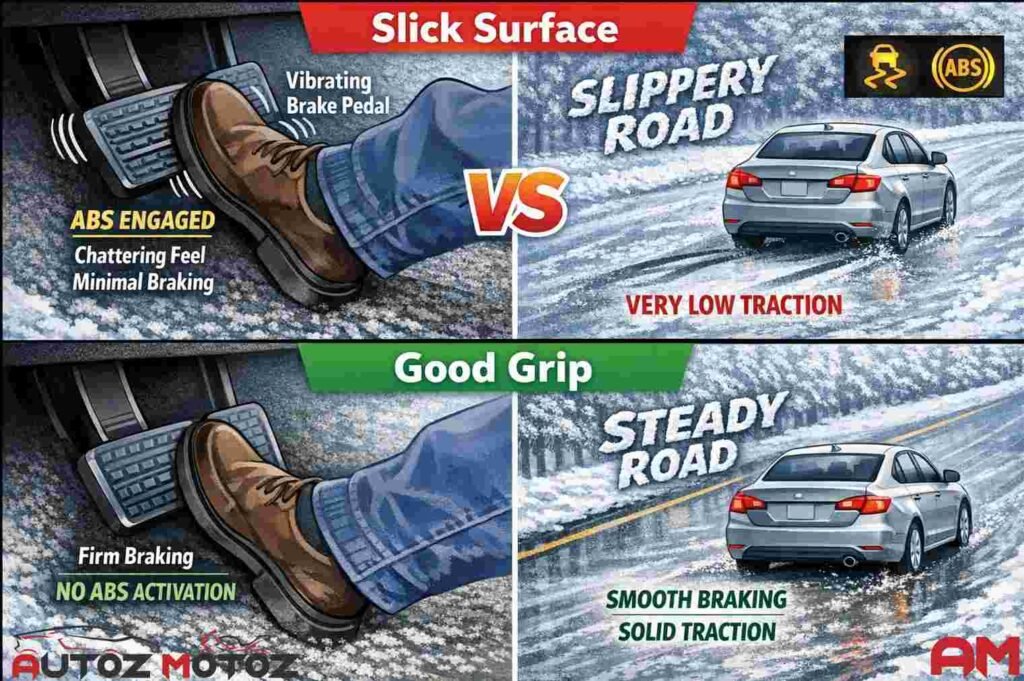

7. Evaluate Surface Traction
Changing grip levels are more accurately understood when road conditions are periodically assessed throughout a winter journey. In addition to monitoring stability-control indicators, the anti-lock braking system is frequently utilized to gauge available traction. To perform this check safely, the brakes are applied gently for a brief moment while traveling in a straight line, provided no other vehicles are nearby. If a chattering sensation is felt underfoot with minimal deceleration, the presence of a very slick surface is confirmed by the system’s activation. Conversely, if the vehicle is slowed at a reasonable rate without intervention, a more reliable grip is indicated.
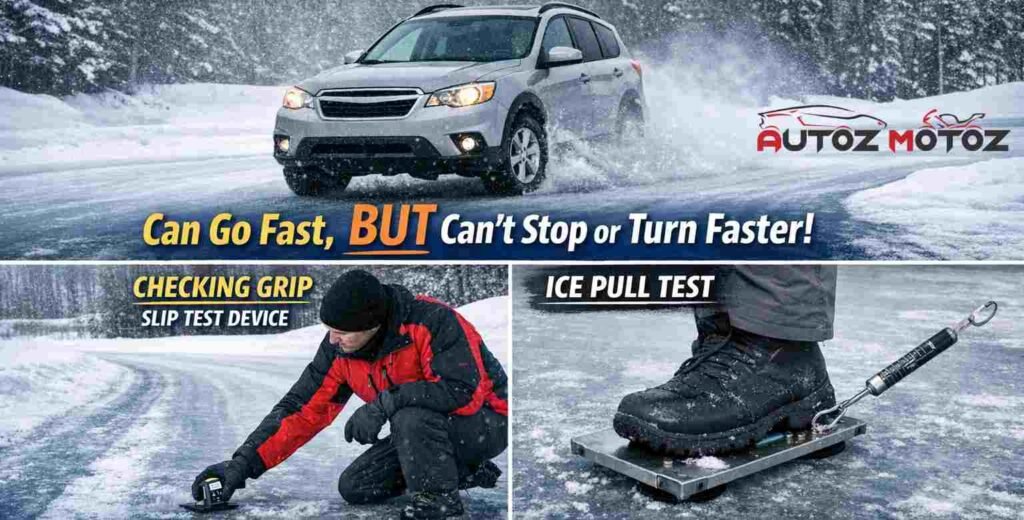
8. Respect Drivetrain Limits | AWD or 4WD
A false sense of security is frequently experienced by drivers when vehicles are equipped with all-wheel drive or four-wheel drive systems. Because power is delivered to all four wheels, near-seamless acceleration is often achieved, which may lead to the mistaken belief that abundant traction is available. However, it must be recognized that these systems do not improve the vehicle’s capacity to turn or stop on frozen surfaces. Consequently, the same limitations found in standard vehicles are encountered whenever the brakes are applied or the steering wheel is turned. To ensure safety is maintained, the actual grip should be verified using established assessment techniques rather than relying on drivetrain capabilities.
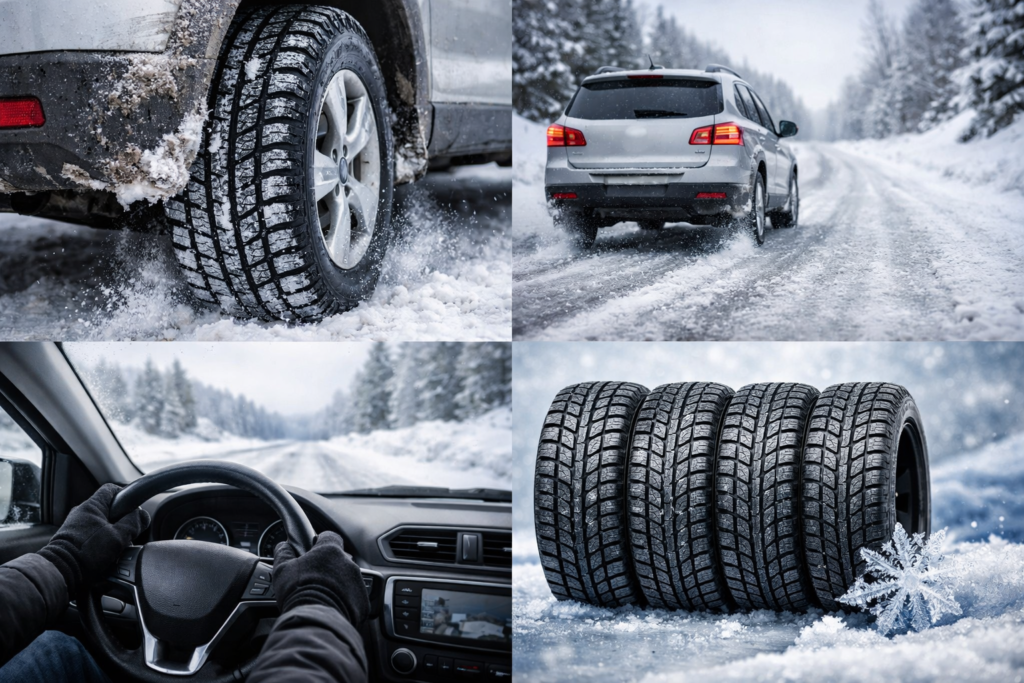
9. Install Winter Tires
A significant improvement in safety margins is achieved when a dedicated set of four winter tires is utilized. Rather than being viewed merely as a driving tip, the installation of specialized rubber is considered a vital survival strategy for navigating treacherous conditions. Because unique tread compounds are employed, far superior traction is provided on snow, slush, and ice compared to standard all-season alternatives. Furthermore, driver anxiety is frequently reduced when the vehicle is equipped to handle extreme cold. By prioritizing the use of tires specifically engineered for winter, the highest level of grip and control is consistently ensured.
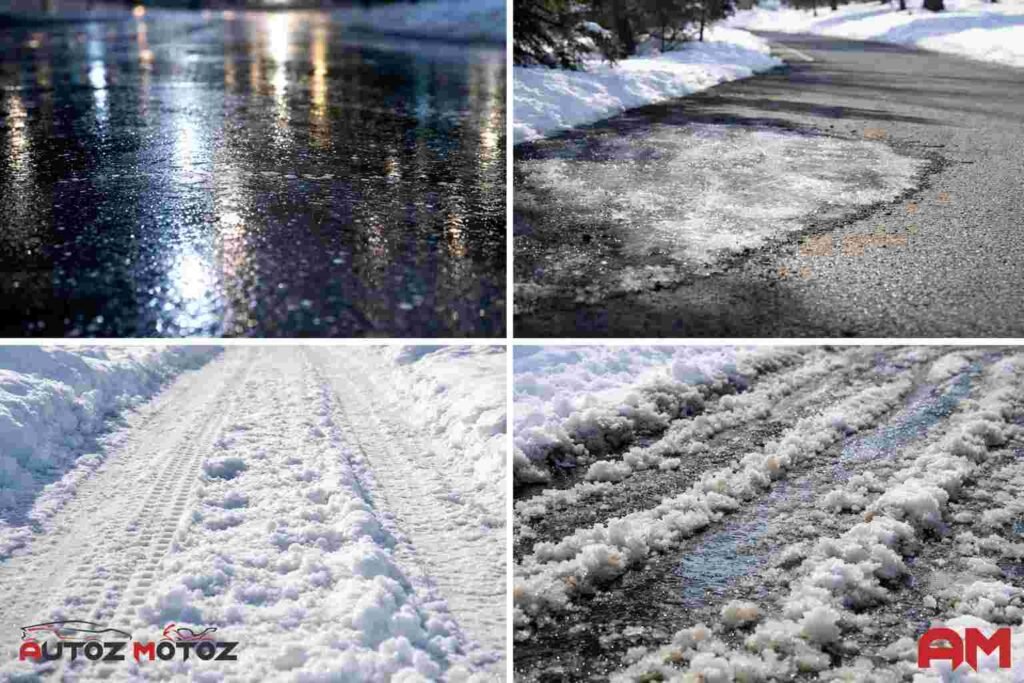
10. Interpret Road Textures
Valuable insights regarding available traction are often gained simply by observing the visual characteristics of the pavement. For instance, a shiny surface is typically identified as a hazard, as it frequently indicates the presence of either standing water or slick ice. Furthermore, deceptive conditions are often encountered in shaded areas where frozen patches may persist despite dry sections nearby. While dry, crunchy snow is known to offer relatively stable grip, slushy textures are generally avoided due to the increased risk of hydroplaning. By carefully analyzing these surface variations, potential loss of control is more effectively anticipated and bypassed.
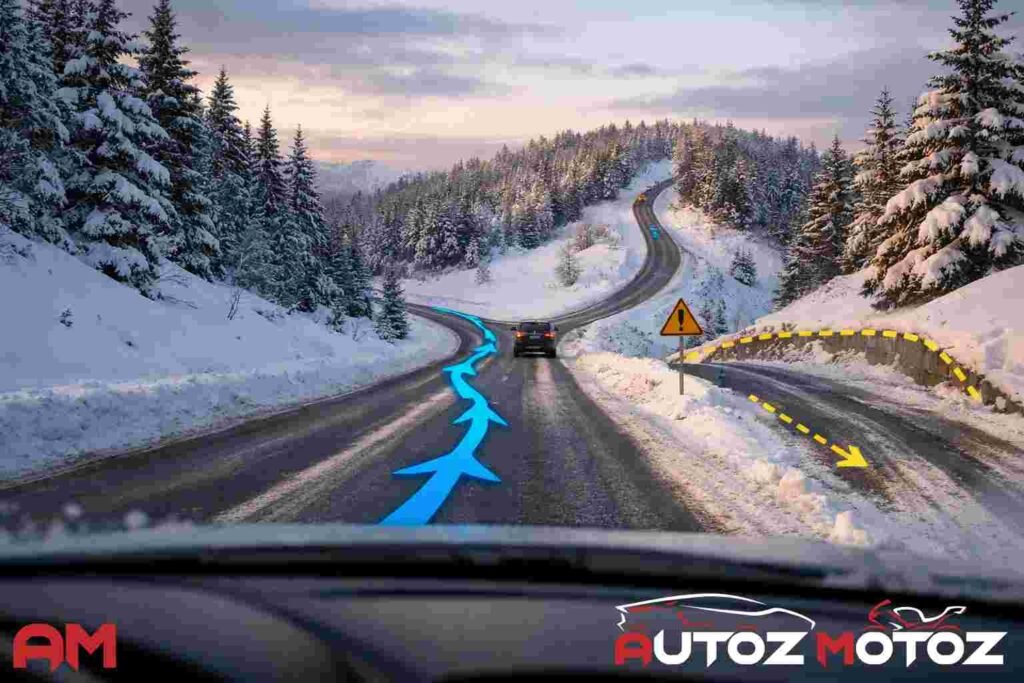

11. Practice Strategic Planning
Safety is significantly enhanced when local knowledge is utilized to anticipate upcoming terrain. While long-range vision is essential, familiar routes are navigated more effectively when the path is visualized several steps in advance. For example, momentum is strategically conserved at the base of a valley to ensure an equal climb on the opposite side is more easily managed. Similarly, speeds are reduced well before reaching known hazards, such as off-camber descents, even before they become visible. By acting as one’s own navigator and thinking ahead, stressful maneuvers are successfully bypassed through proactive preparation.
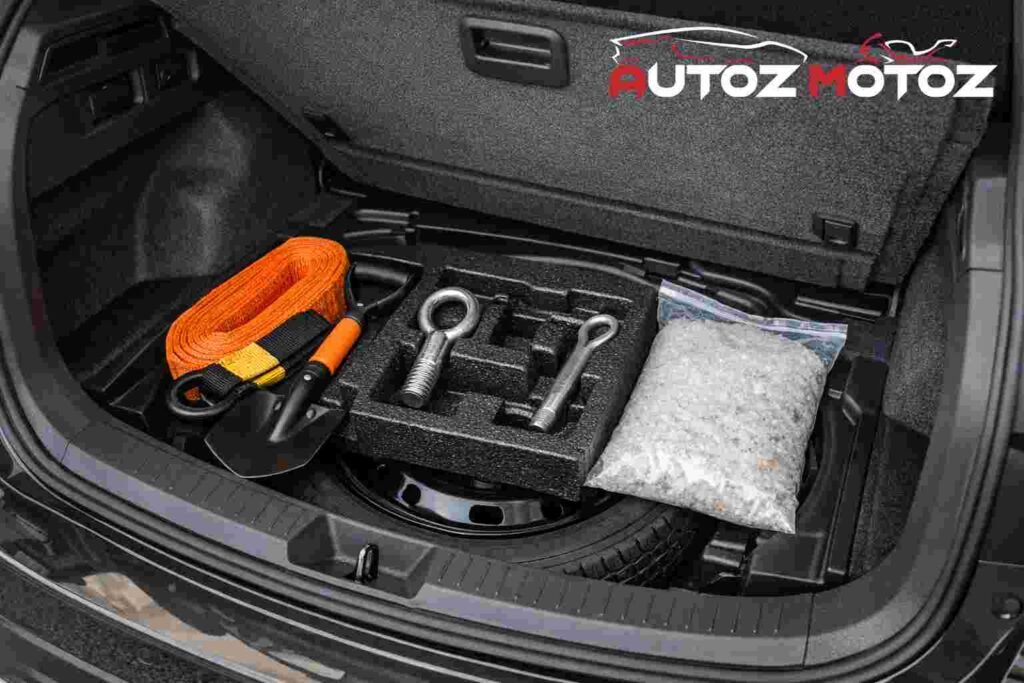
12. Stock Essential Supplies
Preparedness is significantly bolstered when the vehicle is equipped with critical recovery gear before a journey is commenced. Rather than facing the difficulty of clearing snow by hand, a shovel, a bag of salt, and a sturdy tow strap should be carried within the trunk. Furthermore, the vehicle’s tow eye is more effectively utilized when it is retrieved and prepared in advance of a potential emergency. Because this tool is typically stored beneath the cargo floor alongside the spare tire, the area should be kept clear of heavy loads for easy access. By ensuring these supplies are organized and accessible, the risks associated with being stranded are greatly mitigated.
Frequently Asked Question
How is vehicle control maintained on slippery winter roads?
Control is more effectively maintained when all inputs, including steering and braking, are handled with intentional fluidity. Consequently, abrupt maneuvers are avoided so that the tenuous grip held by the tires on ice or snow is not compromised by jerky movements.
What should be done if a car begins to skid?
If a loss of traction occurs, the gaze must be fixed precisely on the intended path rather than the direction of the slide. While the accelerator is eased for front-wheel skids, the steering wheel is turned quickly in the same direction as the swing for rear-wheel skids.
Does AWD improve stopping distance on snow and ice?
It must be recognized that all-wheel drive systems do not improve a vehicle’s capacity to turn or stop on frozen surfaces. Although acceleration is often enhanced, the same braking limitations found in standard vehicles are encountered whenever the pedal is applied.
How should ABS be used during an emergency winter stop?
The brake pedal is pushed down with maximum force and held firmly without release so the anti-lock system can optimize deceleration. Even if a shuddering vibration is felt through the foot, the pressure is sustained until the vehicle is safely halted.
Why are winter tires essential for cold-weather driving?
Significant safety margins are achieved with winter tires because specialized tread compounds are employed to provide superior traction on slush and ice. These unique materials ensure flexibility in extreme cold, whereas standard all-season tires often become rigid and lose grip.
Conclusion
Safe navigation through frozen landscapes is consistently achieved when these twelve fundamental techniques are integrated into every drive. By prioritizing smooth control inputs and maintaining long-range vision, potential hazards are effectively anticipated before traction is compromised. Furthermore, the reliance on advanced safety systems, such as ABS and stability control, is most successful when their specific operational requirements are respected. While drivetrain capabilities like AWD offer assistance during acceleration, it must be recognized that stopping and turning performance rely entirely on the quality of winter tires and deliberate steering recovery. Ultimately, a state of preparedness is sustained through strategic planning and the inclusion of essential recovery supplies. When road textures are interpreted accurately and composure is maintained during skids, the challenges of winter weather are managed with professional-level precision and security.


Technical precision in motorcycles, cars, and automotive gear is established by Nahid Hassan through rigorous evaluation. Performance-driven reviews and high-value affiliate insights are consistently curated at AutoZMotoZ to ensure reader trust. Absolute integrity is maintained in every analysis, with a focus on original and human-verified data.