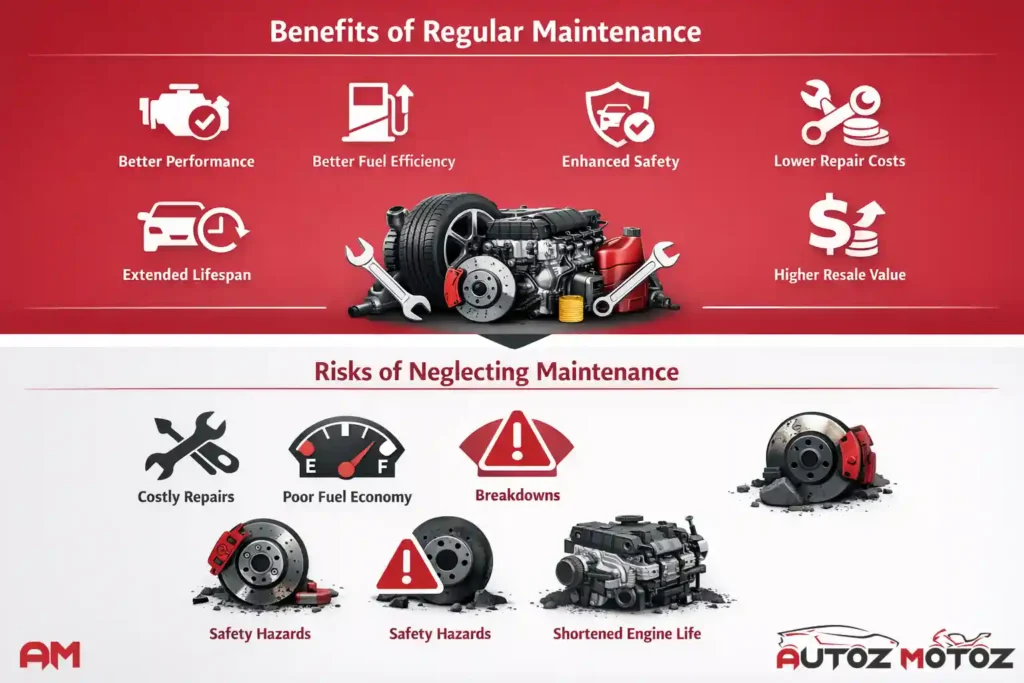
Routine vehicle care plays a major role in preventing breakdowns and keeping systems running efficiently. Instead of reacting to problems, regular servicing allows drivers to manage wear and tear early, improving reliability while keeping long-term costs under control.
Preventive maintenance tasks such as oil changes, brake inspections, fluid checks, and filter replacements help identify minor issues early before they become major problems. Well-maintained vehicles not only perform better but also retain higher resale value and consume less fuel.
Maintenance is often overlooked until faults become noticeable. However, consistent vehicle care focuses on preventing issues early, which helps maintain engine efficiency, optimize fuel consumption, enhance safety, and ensure reliable performance over time.
Cars that are maintained regularly don’t just run better—they age differently. In this guide, we’ll break down the true benefits of regular car maintenance, including how it saves money, extends vehicle lifespan, and prevents major mechanical failures.
After working with a wide range of vehicles—may stuck in traffic, high-mileage cars, and even neglected engines – I’ve seen a clear pattern: Most people think of car maintenance as an expense—something you do because you have to. In reality, regular maintenance is one of the few things that can save you thousands, improve performance, and extend your vehicle’s life significantly.
Advantages of Regular Car Maintenance
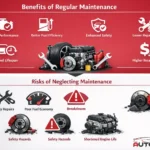
Regular car maintenance offers multiple long-term benefits that directly impact your vehicle’s performance, safety, and cost of ownership.
1. Improved Engine Performance
Consistent maintenance ensures that critical components like engine oil, air filters, and spark plugs function properly, allowing the engine to run smoothly and efficiently.
2. Better Fuel Efficiency
A well-maintained vehicle consumes less fuel because the engine runs more efficiently and airflow and combustion remain optimized. From experience, neglected cars often show noticeable drops in mileage.
3. Increased Vehicle Safety
Routine checks help identify issues in brake systems, tires, and suspension — reducing the risk of accidents caused by mechanical failure.
4. Lower Long-Term Repair Costs
Preventive maintenance helps detect minor issues before they turn into major, expensive repairs.
5. Extended Vehicle Lifespan
Regular servicing reduces wear and tear, allowing vehicles to remain reliable even at higher mileage.
6. Higher Resale Value
A well-documented maintenance history increases buyer confidence and market value.
Disadvantages of Skipping or Poor Maintenance
1. Higher Repair Costs Over Time
Skipping maintenance often leads to compounded mechanical failures that are significantly more expensive to fix.
2. Reduced Fuel Efficiency
Dirty filters, degraded oil, and poor engine condition increase fuel consumption.
3. Increased Risk of Breakdowns
Neglected vehicles are far more likely to experience sudden failures.
4. Safety Risks
Worn-out brakes or tires can directly impact driver and passenger safety.
5. Shortened Engine Life
Lack of proper lubrication and care accelerates engine wear and failure.
Why Consistent Car Care Matters More Than Occasional Repairs
Consistent car care is not just about fixing problems—it’s about preventing them. In real-world conditions, vehicles that receive regular maintenance perform more reliably than those that only get attention when something breaks.
From experience: small, consistent servicing keeps systems stable, while irregular maintenance leads to hidden, compounding issues. A car that is maintained regularly runs more efficiently, lasts longer, and costs less over time — while a neglected vehicle often becomes unpredictable and expensive.
It is often observed that vehicles subjected to consistent upkeep do not merely operate efficiently — they age with superior resilience. Within this analysis, the fundamental benefits of regular car maintenance are examined, demonstrating how engine longevity is maximized, safety is enhanced, and expensive mechanical failures are systematically prevented.
10 Experience-Backed Benefits of Regular Car Maintenance
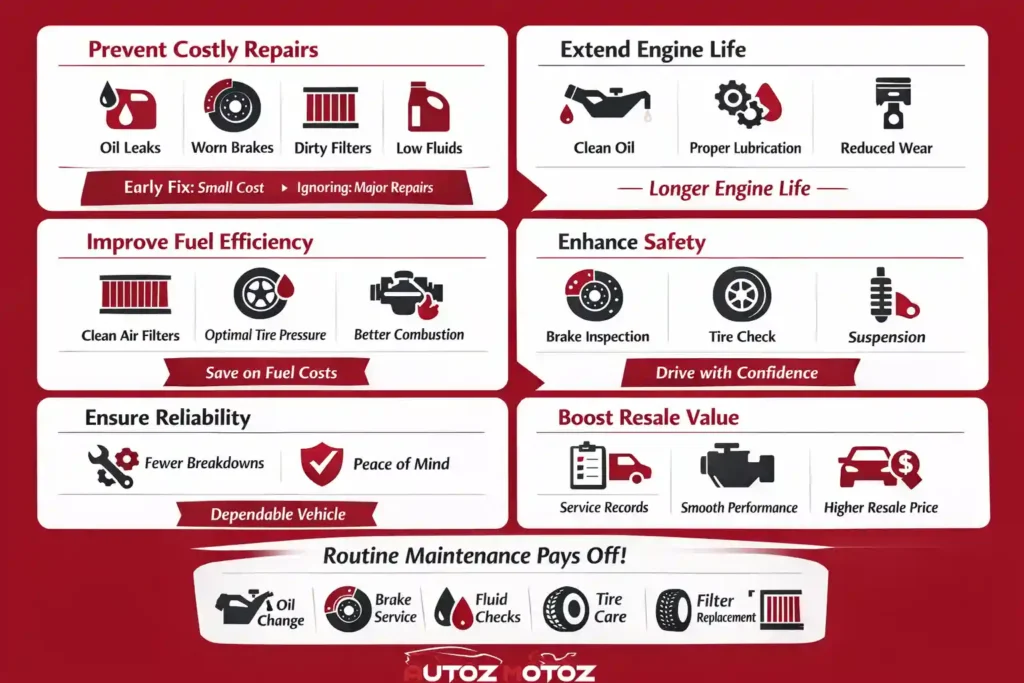
1. Prevents Expensive Repairs Before They Happen
This is the biggest — and most overlooked — benefit. Regular maintenance helps catch small issues early: minor oil leaks, worn brake pads, dirty filters, and low or degraded fluids.
Real Case: A vehicle came in for a routine oil change. During inspection, a slight coolant leak from a hose was noticed. Early fix cost: minimal. If ignored: engine overheating → head gasket failure → massive repair cost. That’s the difference maintenance makes — it turns major failures into minor fixes.
2. Extends Engine Life Significantly
Engines don’t fail suddenly — they wear out gradually due to poor lubrication, contaminated oil, and heat and friction. Regular maintenance ensures clean oil circulation, proper lubrication, and reduced internal wear.
Real Observation: Well-maintained engines often run smoothly even after high mileage, while neglected ones start showing problems much earlier.
3. Improves Fuel Efficiency
Regular maintenance directly impacts fuel consumption through clean air filters, proper tire pressure, efficient combustion, and healthy engine performance.
What I’ve Seen: Cars with neglected maintenance often consume more fuel, feel sluggish, and require more throttle to perform. Even small improvements here can save a noticeable amount over time.
4. Enhances Safety on the Road
Maintenance isn’t just about performance — it’s about safety. Key systems that rely on regular checks include brakes, tires, steering components, and suspension.
Real Scenario: A routine inspection once revealed severely worn brake pads that the driver wasn’t yet aware of. Fixing them early prevented reduced braking performance and potential accident risk.
5. Maintains Vehicle Reliability
There’s nothing worse than unexpected breakdowns. Regular maintenance ensures fewer surprises, consistent performance, and confidence on long trips. Vehicles that follow a maintenance schedule rarely arrive with sudden, severe issues — neglected cars, on the other hand, often come in with compounded problems.
6. Increases Resale Value
A well-maintained car is easier to sell — and for a better price. Buyers look for service history, smooth engine performance, and no warning signs. Two similar cars can have very different values based on maintenance history alone.
7. Saves Money in the Long Run
Many people delay maintenance to save money — but it usually backfires. Regular maintenance reduces major repair costs, improves fuel economy, and prevents part failures. Small, consistent spending leads to predictable costs; neglect leads to sudden, expensive repairs.
8. Improves Overall Driving Experience
You can feel the difference in a well-maintained car: smoother acceleration, quieter engine, and better responsiveness. Maintenance keeps the car performing as it should — not just running, but running well.
9. High-ROI Maintenance Tasks You Should Never Skip
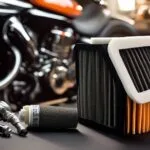
A small group of routine services has the greatest impact on vehicle health. Regular oil and filter changes, brake system checks, air filter upkeep, fluid monitoring, and tire maintenance help reduce wear and stop minor issues from developing into serious problems.
10. Corrects Common Misconceptions
- “New cars don’t need maintenance” — They do, just less frequently, but still critically.
- “Synthetic oil lasts forever” — It lasts longer, but not indefinitely, especially in harsh conditions.
- “If the car runs fine, it doesn’t need servicing” — Many issues don’t show symptoms until damage is already done.
If You’re on a Budget: What to Prioritize
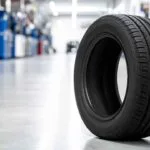
If you can’t do everything, focus on engine oil changes, the brake system, tire condition and pressure, and essential fluid levels. These have the highest impact on safety and engine health.
Why Consistent Vehicle Maintenance Is a Long-Term Investment
Regular car maintenance isn’t just routine servicing — it’s a strategic approach to protecting your vehicle’s engine performance, fuel efficiency, safety, and long-term reliability.
From real-world experience, the difference is clear: vehicles that follow a consistent maintenance schedule avoid the majority of costly and unexpected failures that affect neglected cars.
By prioritizing preventive maintenance, you can: prevent major mechanical failures before they happen, extend engine life and reduce internal wear, improve fuel efficiency and overall driving performance, maintain vehicle safety through regular inspections, and reduce long-term repair costs and ownership expenses.
Consistent car care ensures that every critical system — from the engine to the braking system — continues to operate efficiently under real driving conditions. In practical terms, maintenance is not an expense — it’s a controlled investment that delivers reliability, cost savings, and peace of mind over the life of your vehicle.
FAQ
Q. Is regular car maintenance really worth the cost?
Yes — regular maintenance reduces long-term repair costs by preventing major failures. Small, routine services are far cheaper than fixing engine or transmission damage.
Q. What happens if I skip regular car maintenance?
Skipping maintenance can lead to engine wear, poor fuel efficiency, brake failure, and unexpected breakdowns. Over time, small issues turn into expensive repairs.
Q. How often should I maintain my car?
It depends on usage, but generally: oil change every 5,000–10,000 km, brake check every few months, and a full inspection at least once a year. Heavy traffic and hot climates require more frequent maintenance.
Q. Does regular maintenance improve fuel efficiency?
Yes. Clean filters, proper oil, and a healthy engine reduce fuel consumption and improve mileage.
Q. Can regular maintenance extend car lifespan?
Absolutely. Vehicles that receive consistent maintenance often last significantly longer than neglected ones.
Q. What are the most important maintenance tasks?
High-priority tasks include engine oil change, brake inspection, tire maintenance, and fluid checks. These have the biggest impact on performance and safety.
Q. Is maintenance different for new vs old cars?
Yes. New cars need less frequent service, but older vehicles require more frequent checks due to wear and aging components.
Q. Why does my car feel better after maintenance?
The engine runs smoother, fuel combustion improves, and friction is reduced — making the vehicle more responsive and quieter overall.

Technical precision in motorcycles, cars, and automotive gear is established by Nahid Hassan through rigorous evaluation. Performance-driven reviews and high-value affiliate insights are consistently curated at AutoZMotoZ to ensure reader trust. Absolute integrity is maintained in every analysis, with a focus on original and human-verified data.