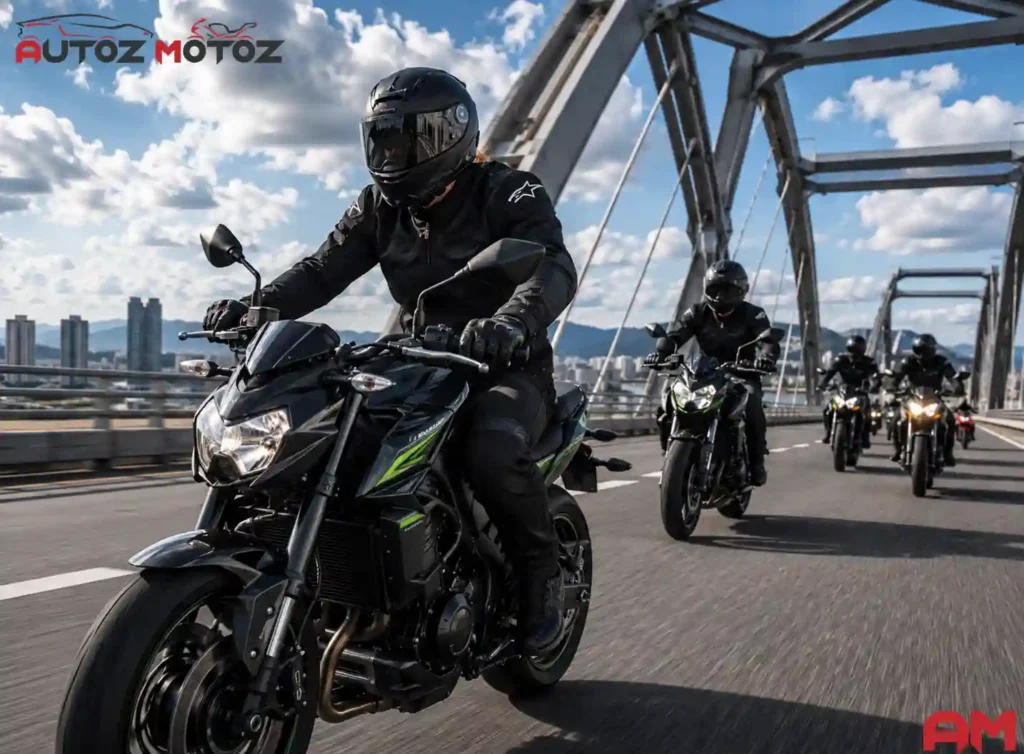
Leather and textile motorcycle jackets protect you differently, feel completely different after two hours on the road, and hold up differently over years of use. Getting this wrong early means riding in gear that works against you more often than not.
Leather still dominates racing and performance riding for good reason — nothing matches it for raw abrasion resistance. But for daily riding, commuting, and mixed weather, most riders quietly end up reaching for textile more often. Most riders don’t think much about this choice until they’re soaked through on a commute or overheating in summer traffic. By then, the jacket already made the decision for them.
In this guide, we’ll compare leather and textile jackets in real-world riding conditions, including crash protection, comfort, weather performance, durability, maintenance, price, and which type of rider each one fits best.


Leather vs Textile Comparison Motorcycle Jacket
| Factor | Leather Jacket | Textile Jacket |
|---|---|---|
| Protection | Excellent | Very good |
| Weather Resistance | Weak in rain | Excellent |
| Weight | Heavier | Lighter |
| Comfort | Needs break-in time | Comfortable right away |
| Price Range | Medium to expensive | Budget to premium |
Method Based on Riding Experience
- Sport bike and track riders → Leather
- Daily commuters → Textile
- Touring riders → Textile
- Adventure and dual-sport riders → Textile
- Cruiser and cafe racer riders → Leather
Simple Way to Understand
If your riding is focused on performance, speed, or style, leather is usually the better fit.
If you ride in different weather, spend long hours on the bike, or want one jacket that handles most situations without hassle, textile is typically the smarter choice.
See our full picks in the Best Motorcycle Jackets and accessories 2026 guide
How Leather and Textile Actually Perform in a Crash
When riders compare a leather vs textile motorcycle jacket, the conversation usually comes down to one thing: crash protection. Both a leather and textile motorcycle jacket can protect you well on the street, but they do it in different ways. The differences become more noticeable as speed increases and as slide duration gets longer. At lower commuting speeds, both perform strongly when properly armored. At higher speeds, the material itself starts to matter more.
Leather Abrasion Resistance
There’s a reason race organizations still rely heavily on leather. Brands like Alpinestars and Dainese continue using leather in professional racing because it handles high-speed slides extremely well.
The biggest advantage comes from leather’s natural fiber structure. Instead of ripping immediately when it contacts pavement, quality leather slowly wears down layer by layer during a slide. That extra durability helps reduce severe road rash in longer crashes. Independent abrasion testing standards like EN 13595 have consistently shown that premium full-grain leather lasts longer against asphalt than most textile materials.
Not All Leather Is the Same
- Full-grain leather Strongest and most durable option. Best abrasion resistance and longest lifespan.
- Top-grain leather Slightly processed and a bit thinner, but still high quality with good flexibility.
- Split-grain leather Budget-grade leather. Common in cheaper jackets with lower durability and protection.
Autoz Motoz — As avid enthusiasts of both motorcycles and cars, our blog covers a wide range of topics to cater to all automotive lovers. Whether you’re seeking in-depth articles about the latest motorcycle models, car maintenance tips and tricks, or captivating stories from the world of automobiles, we have something for everyone.
This matters because many inexpensive leather jackets look good but do not provide the same protection as premium riding leather. In simple terms, leather usually survives longer during a hard slide. At highway speed, even an extra second before material failure can make a serious difference.
Textile Abrasion Resistance — Better Than Most Riders Think
Textile gear has improved a lot over the last decade. Older textile jackets used to feel like a clear compromise. That’s no longer true with modern riding gear.
Today’s premium textile and Klim build textile jackets that perform very well in real-world street crashes. For normal commuting, highway riding, and touring, high-quality textile gear offers more than enough protection for most riders.
Still, leather keeps a small advantage in extreme conditions. In very high-speed slides or track crashes, leather generally lasts longer before wearing through. That’s why professional racers still wear leather suits instead of textile gear. The simplest way to look at it:
- Textile offers excellent real-world street protection
- Leather still delivers the highest possible abrasion resistance
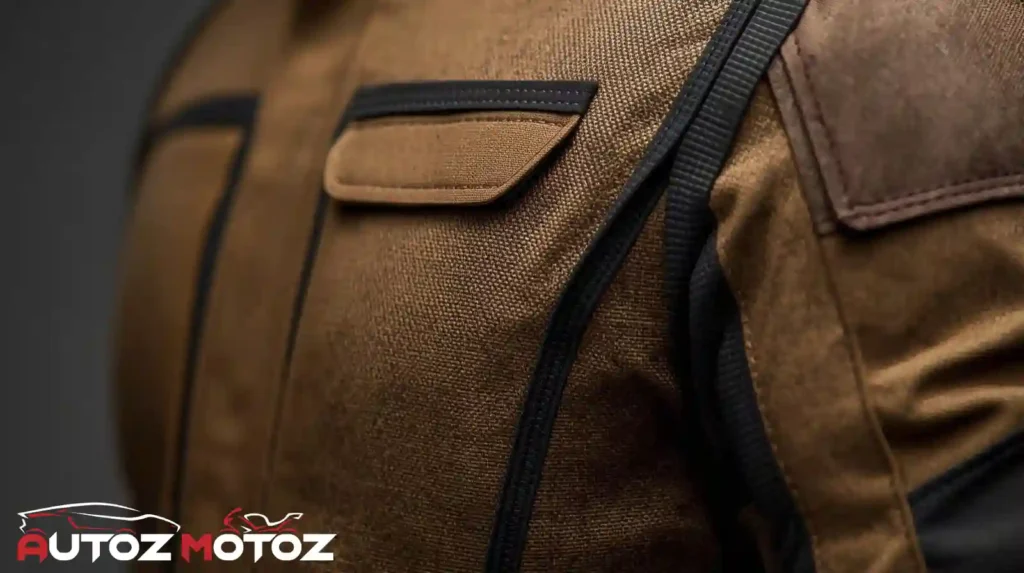
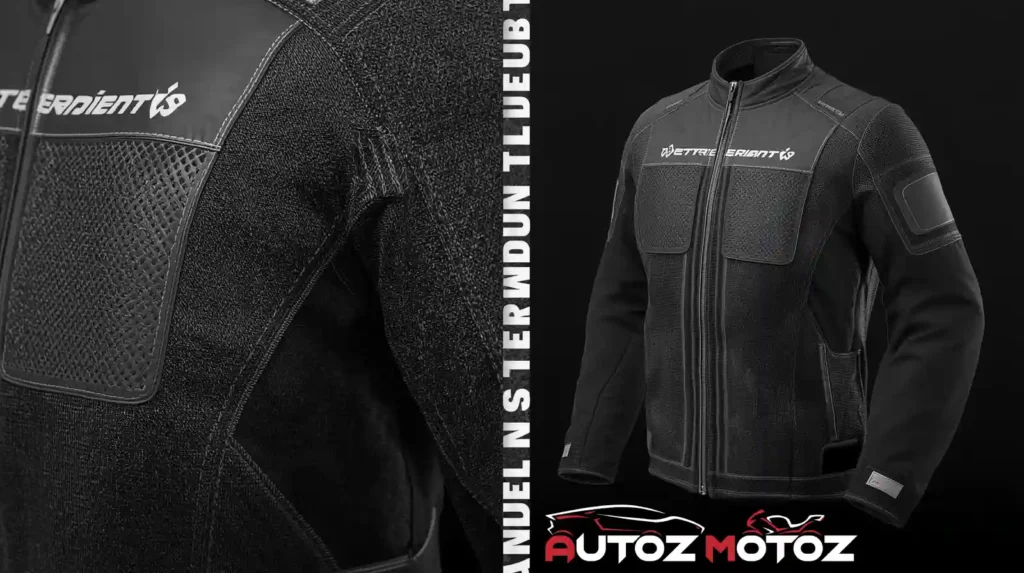
Premium Textile Jacket Materials
- Cordura 500D and 1000D nylon Strong abrasion-resistant fabric used in high-quality riding jackets.
- Kevlar-reinforced impact areas Added reinforcement in high-risk zones for improved crash protection.
- Aramid fiber blends Heat and abrasion-resistant fibers commonly used in protective gear.
- High-density abrasion panels Extra layered protection designed to improve slide resistance on impact zones.
Modern textile jackets combine these materials to balance comfort, flexibility, and real-world crash protection for everyday riding.
At AutozMotoz, we value the trust and satisfaction of our readers and customers. We prioritize providing accurate information, engaging content, and exceptional customer service. Your satisfaction is our top priority, and we continuously strive to exceed your expectations.
CE Armor — The Part Riders Shouldn’t Ignore
A lot of riders focus only on the outer material and completely forget about armor. That’s a mistake. The armor inside the jacket matters just as much as the shell itself.
Motorcycle Armor Basics
Common Protection Zones
- Shoulders
- Elbows
- Back protector pocket or insert
CE Armor Ratings
Because even the best material won’t help much if the armor moves out of place during a crash. That’s why smart riders look beyond just “leather vs textile” and pay attention to the full safety package:
- Outer shell quality
- Armor rating
- Stitching strength
- Fit and coverage
Weather and Comfort — Where Most Riders Finally Choose
Protection matters, obviously. But day-to-day comfort is what you actually live with every time you ride. A jacket can have amazing safety ratings, but if it feels miserable in heat, rain, or traffic, you’ll eventually stop wanting to wear it. This is where textile jackets usually pull ahead for everyday riders.
Leather in Real Riding Conditions
Leather works almost like a protective outer shell. That’s part of why it performs so well in crashes, but it also creates some downsides once weather enters the picture.
Once leather gets soaked, it absorbs water, becomes noticeably heavier, and takes a long time to dry properly. If you’ve ever been caught in a sudden highway storm wearing leather, you already know the feeling. The jacket starts cold, stiff, and uncomfortable pretty fast. Perforated leather helps with airflow during summer rides, but there’s a trade-off. The same holes that improve ventilation also let water straight through during rain.
How Leather Performs in Real Weather
Textile in Real Riding Conditions
Textile jackets were basically built to solve weather problems. Modern textile gear is designed around flexibility. One jacket can often handle multiple seasons and different riding conditions without much compromise.
Where Textile Really Shines
Which Motorcycle Jacket Should You Choose?
One decent textile jacket can usually handle:
- Summer traffic
- Unexpected rain
- Chilly early-morning rides
- Weekend touring
Weight and Fatigue on Long Rides
The weight difference between these materials matters more than most new riders expect. Lighter textile gear usually feels less tiring over long distances, especially when combined with hydration packs, backpacks, or layered winter clothing.
This is one reason long-distance touring riders often lean toward textile setups. Less weight and better airflow simply reduce physical fatigue over time.
And when you’re riding all day across changing weather conditions, comfort stops being a luxury. It becomes part of staying focused and alert on the road.caught in motorway rain, leather becomes uncomfortable fast — not unsafe, but inconvenient and heavy.
Motorcycle Jacket Weight Difference
- Leather jacket: around 3.5–5.5 pounds
- Textile jacket: around 2–4 pounds
- Shoulders
- Upper back
- Neck area
Durability and Maintenance
A motorcycle jacket is not cheap, so durability matters. Most riders want gear that can survive years of commuting, weekend rides, and changing weather without falling apart.
Leather — Built to Last, But Needs Care
A high-quality leather motorcycle jacket can last a very long time. Ten years is common. Twenty years is possible if you take care of it properly.
That’s one reason many experienced riders still love leather. Over time, it breaks in, softens up, and develops character instead of simply wearing out. The important thing to understand is this: leather rewards owners who maintain it. Neglect it for years in a hot garage or damp shed, and it ages badly.
Leather Jacket Maintenance
- Condition it regularly to keep the leather soft and flexible
- Avoid long exposure to direct sunlight
- Store it on a proper hanger to maintain shape
- Do not fold or crush it for long periods
- Leather Honey
- Bickmore Bick 4
Textile — Easier to Live With
Textile jackets are much simpler to maintain day to day. So while textile wins for convenience, leather usually wins for long-term lifespan if you’re willing to maintain it properly.
Textile Jacket Maintenance & Lifespan
- Machine washable
- Fast drying
- Low maintenance overall
- Zippers
- Velcro closures
- Seams
- Waterproof membranes
Price — What You Actually Get at Each Budget
Motorcycle jackets can range from surprisingly affordable to seriously expensive, and once you start shopping, it becomes obvious that price has a real impact on quality—especially when comparing leather vs textile motorcycle jacket options.
This is where many new riders make mistakes. A cheap leather jacket might look good online, but appearance and real protection are not the same thing. In many cases, a well-built textile jacket at the same price delivers better everyday value, especially in terms of comfort, weather protection, and usable safety features.
Entry Level ($100–200)
At this price range, textile is usually the smarter buy. Most budget leather jackets use lower-grade materials like split-grain leather. They may look decent at first, but they often lack the durability and abrasion resistance that make premium leather worth buying in the first place. Meanwhile, many textile jackets in this range already include:
- CE-rated armor
- Reinforced impact zones
- Waterproof liners
- Ventilation panels
For a new rider trying to maximize protection on a budget, textile simply gives you more for the money. This is one of the few areas where the answer is pretty straightforward: cheap textile is usually safer than cheap leather.
You can see Mesh Armored Jacket – Click for explore from amazon
Mid Range ($200–500)
This is where the real competition starts. Most riders in the U.S. shop in this range because this is where quality becomes noticeable without getting into premium pricing. Here, you’ll start finding:
- Full-grain leather jackets with strong construction
- Textile jackets with CE Level 2 armor
- Better waterproofing systems
- Improved ventilation and comfort features
At this level, the choice becomes less about “which is better” and more about how you ride. If you mainly ride in warm weather and want a classic look, leather becomes a strong option. If you commute daily or ride through changing weather, textile often makes more sense.
Premium Range ($500+)
Once you move above $500, the market becomes highly specialized. Leather gear in this category is usually focused on follows;
- Sport riding
- Aggressive street riding
- Track use
You’ll see high-end race-inspired jackets and full riding suits from brands like Dainese and Alpinestars. Premium textile gear goes in a different direction. This category is built for:
- Long-distance touring
- Adventure riding
- All weather riding
Brands like Klim dominate this space with laminated Gore-Tex jackets designed for serious mileage and changing conditions. At the premium level, both materials justify the price. The better choice depends almost entirely on the type of riding you actually do.
Style and Everyday Wearability
Not every riding decision is about protection charts and technical specs. Style matters too. Most riders want gear that feels good to wear both on and off the bike.
Leather — Still the Best-Looking Option
Leather jackets have been part of motorcycle culture for generations, and honestly, they still look great. Whether you ride a cruiser, cafe racer, naked bike, or even a sport bike, a good leather jacket fits naturally into the overall look. It doesn’t feel overly technical or bulky, and that’s a big reason riders keep coming back to it.
You can walk into follows;
- A coffee shop
- A restaurant
- A gas station
- A casual meetup
That everyday wearability matters more than people admit. A quality leather jacket blends into regular streetwear much better than most motorcycle gear ever will.
Textile — Better Than It Used to Be
Textile jackets have improved a lot in the last few years. Brands like Alpinestars and REV’IT! now make cleaner, slimmer jackets that look far less bulky than older touring gear. Some modern textile jackets even resemble casual outdoor clothing at first glance.
But even with those improvements, most textile gear still looks technical. The armor shape, waterproof zippers, reflective panels, and aggressive cuts usually make it obvious that it’s motorcycle equipment.
That’s not necessarily bad. Many riders actually prefer the functional look. Still, if style and everyday fashion matter to you, leather remains the stronger option overall.
Our Recommendation by Rider Type
At the end of the day, the best motorcycle jacket depends on how and where you actually ride. A jacket that feels perfect for track days may feel miserable during a summer commute, and touring gear can feel oversized for short city rides.
Sport and Track Riders → Leather
The higher abrasion resistance, snug fit, and race-focused design make it the preferred option for high-speed riding. There’s a reason professional racers still wear leather almost exclusively. Leather also tends to feel more stable at speed because it hugs the body closely once broken in.
👉 See: Best Leather Motorcycle Jackets 2026 →
Commuters and Urban Riders → Textile
For everyday street riding, textile usually makes more sense. Normally City riders deal with follows;
- Heat
- Traffic
- Sudden rain
- Frequent stops
- Changing temperatures
A good textile jacket handles all of that better than leather in most cases. It’s lighter, easier to move in, and far more comfortable during long commutes or unpredictable weather. For most daily riders in the U.S., textile ends up being the more practical long-term choice.
👉 See: Best Textile Motorcycle Jackets 2026 →
Long-Distance Tourers : Textile
Touring riders usually prioritize comfort over everything else. After several hours on the highway, lightweight gear, airflow, and waterproofing become extremely important. That’s why most serious touring setups use laminated textile jackets with waterproof membranes like Gore-Tex.
Textile touring gear also layers better for changing weather across different states and elevations. If you regularly ride all day or travel long distances, textile is hard to beat.
Cruiser and Cafe Racer Riders : Leather
Leather fits cruiser culture naturally. It offers the classic motorcycle look while still delivering strong protection. For riders who care about style as much as riding feel, leather simply matches the experience better.
And unlike bulky touring jackets, leather usually looks good even after the ride ends. For cafe racers, cruisers, and heritage-style bikes, leather still feels like the right fit both visually and practically.
Adventure and Dual-Sport Riders : Textile
Adventure riders need flexibility more than anything else. You’re dealing with follows;
- Dirt and pavement
- Heat and cold
- Rain and dust
- Standing and moving constantly
Textile handles those changing conditions much better than leather. The lighter weight, ventilation options, and weather protection make textile the clear favorite for ADV and dual-sport riding.
Conclusion
When you look at a leather vs textile motorcycle jacket, the real answer isn’t about which one is “best” in every situation—it’s about which one matches how you actually ride. Leather still leads when it comes to maximum abrasion resistance, high-speed protection, and pure riding style. It’s the go-to choice for sport riders, track use, and anyone who values that classic motorcycle look both on and off the bike.
Textile, on the other hand, is the more practical everyday option for most riders in 2026. It handles changing weather better, feels lighter over long distances, and fits naturally into commuting, touring, and mixed-condition riding. If you ride in one specific environment, leather can make sense. But if your riding changes day to day, textile usually gives you more usable comfort and flexibility without giving up essential protection.
FAQ
Is leather or textile safer?
Both can be very safe if the jacket is built well and includes proper CE-rated armor. Leather still has the advantage in high-speed abrasion resistance, which is why it remains popular for racing and track riding. Textile, however, performs extremely well for normal street riding and often provides better comfort, weather protection, and visibility for everyday use.
For most riders, the safest jacket is the one that fits correctly and gets worn consistently.
Can a textile jacket replace leather for track days?
Usually, no. Most track organizations in the U.S. still require leather gear because it handles long, high-speed slides better than textile. Some beginner track events may allow certain high-end textile jackets, but leather remains the standard for serious track riding.
If track days are a regular part of your riding, leather is still the safer choice.
Which motorcycle jacket is better for hot weather?
Textile jackets, especially mesh designs, are much better in hot weather. They allow significantly more airflow and help reduce heat buildup during summer rides and stop-and-go traffic. Leather tends to trap heat, especially in humid conditions or slow-moving city traffic.
For riders dealing with hot climates or long summer commutes, textile is usually far more comfortable.
Do textile motorcycle jackets look as good as leather?
That depends on what style you prefer, but most riders still give leather the edge. Leather has a classic motorcycle look that works naturally with cruisers, cafe racers, and sport bikes. It also blends into casual everyday clothing better once you step off the bike.
Modern textile jackets look cleaner than they used to, but most still have a more technical or adventure-focused appearance.
Can you wear a motorcycle jacket in the rain?
Yes, but some jackets handle rain much better than others. Textile jackets with waterproof membranes are designed specifically for wet weather and usually stay comfortable during long rides in the rain.
Leather can handle light rain for short periods, but once it gets soaked, it absorbs water, becomes heavier, and takes much longer to dry. Over time, repeated water exposure can also damage untreated leather.

Technical precision in motorcycles, cars, and automotive gear is established by Nahid Hassan through rigorous evaluation. Performance-driven reviews and high-value affiliate insights are consistently curated at AutoZMotoZ to ensure reader trust. Absolute integrity is maintained in every analysis, with a focus on original and human-verified data.