Spend a bit of time in the Tesla corners of Reddit and you’ll notice one word keeps coming up more than any other: Autopilot. Not the robotaxi programme, not Full Self-Driving. Just plain old Autopilot, the lane-keeping and cruise control system that used to come free on every new Tesla.
That’s changed now. Tesla has taken Autopilot off new orders in the US and Canada and moved it behind a £/$99-a-month subscription instead, pushing everyone towards Full Self-Driving. At almost the same time, a security researcher proved that crash data Tesla claimed didn’t exist actually did exist, and that ended up costing the company around $243 million in court.
Owners have plenty to say about both of these things. Here’s what people are actually asking and arguing about, based on real threads, not Tesla’s press releases.
What Happened to Tesla Autopilot? Why It’s Gone From New Orders
At some point this year, Tesla quietly stopped putting Autopilot on new cars. People noticed through their own order confirmations before Tesla said anything official. That’s become a bit of a pattern with this company.
Tesla’s explanation is that Autopilot was only ever meant to be a stepping stone towards Full Self-Driving, and now FSD exists as its own paid product, so there’s no need to keep giving the basic version away. Plenty of owners aren’t convinced. The more common view on Reddit is that Autopilot didn’t get old, it just became a good way to charge extra for something that used to be included. Worth noting too that in Europe, similar safety features are still standard, because regulators over there won’t allow otherwise.
Autopilot vs. Full Self-Driving vs. Enhanced Autopilot: What’s the Difference
This is the question that comes up again and again, so here it is plainly.
Autopilot, the basic version, is really just smart cruise control. It keeps your speed steady in traffic and helps you stay in your lane on the motorway. That’s the one being pulled from new cars.
Enhanced Autopilot went a step further, adding automatic lane changes, self-parking, and motorway on and off-ramp handling. Tesla has confirmed this one isn’t coming back either. It was only ever a halfway product.
Full Self-Driving is the subscription system meant to eventually manage town driving, junctions, and turns with less input from you, though it still needs you watching the road the whole time.
Even car journalists have pointed out that most people think Tesla just “does self-driving” without realising these are three quite different things with three quite different price tags.
Is Tesla Autopilot Really Self-Driving, or Just Advanced Cruise Control?
Legally, Autopilot has never counted as self-driving. It’s what’s called Level 2 driver assistance, which means you’re still fully responsible for the car at every moment, no matter what the name suggests. This came up directly in the court case mentioned earlier. The $243 million judgement wasn’t about Autopilot causing a crash by itself, it was about Tesla saying certain crash data didn’t exist when it did.
A lot of owners feel the same frustration: Autopilot behaves a lot like the driver assistance systems in other cars, but it’s marketed with a name that implies far more independence than it actually has. That gap between the name and what it does keeps coming up in nearly every discussion about it.
Should You Buy a Used Tesla Just to Keep Autopilot?
Since Autopilot is gone from new cars but still active on older ones, some buyers are simply shopping used instead. It’s a strange situation where a second-hand Tesla can come with more built-in tech than a brand new one, unless you’re happy paying the monthly fee.
If you’re weighing up used against new, a few things are worth checking properly. Make sure Autopilot is actually switched on for that specific car, not just listed as available. Find out whether it’s the basic Autopilot or the Enhanced version, since that affects both price and resale value. And keep in mind Tesla hasn’t promised these features will stay active forever, even on cars that have them right now.
Is the £/$99 Autopilot Subscription Worth It on a New Tesla?
For anyone buying new, the basic Autopilot features now sit behind a monthly charge. Owners haven’t been shy about how they feel about this, especially since it means a cheaper new Tesla can technically ship with less driver assistance than a much pricier model did a year or two ago, unless you pay on top.
Whether it’s worth paying really comes down to how you drive. If most of your miles are long motorway stretches, it does what similar systems in other cars do for free, so it’s fair to weigh the ongoing cost against what competitors offer. If you’re mostly doing short trips around town, you’ll barely notice it’s gone.
How Safe Is Tesla Autopilot? What the Crash Data Actually Shows
Tesla publishes safety reports claiming cars using Autopilot crash far less often than the average car on the road. Reddit has picked this claim apart quite a bit, and there’s a fair point buried in the criticism: comparing Autopilot cars to the average driver isn’t the same as comparing them to an alert, attentive human driver in similar motorway conditions. Those are two very different comparisons, and Tesla tends to blur the line between them.
Then there’s the $243 million case itself, which centred on Tesla saying certain crash data simply didn’t exist, until a researcher working under a bug bounty programme proved it did. That case has become the go-to example whenever people question how much of Tesla’s safety messaging can be taken at face value.
Why Does Autopilot Sometimes Switch Off Right Before a Crash?
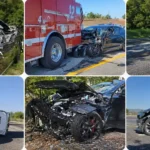
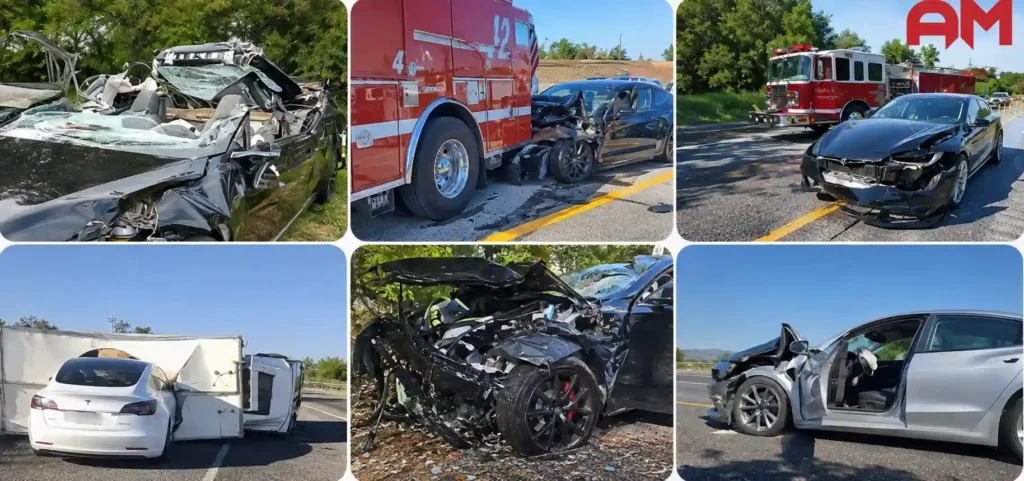
This one’s a genuinely serious concern, and it isn’t just an internet theory. Several reports describe Autopilot disengaging in the seconds right before a collision. The obvious worry is that this lets Tesla report the system as “not engaged” at the moment of the crash, even though it was doing all the driving moments earlier.
This exact issue has been raised by people working in the wider self-driving research field too, not only frustrated owners. The question they’re asking is simple: if a system switches off five seconds or less before impact, should that still count as active for safety statistics? It’s a fair question, and it puts a decent dent in how much trust you can put in Tesla’s published numbers.
Can Tesla Autopilot Actually See Motorcycles?
There’s a recurring worry, backed up by real incidents, that Autopilot struggles to reliably spot motorcycles, since they’re a much smaller shape on the road than cars or vans. This matters whether you ride or you share the road with people who do. Autopilot is there to assist, not to replace your own eyes, and if you’re on two wheels, it’s worth assuming a Tesla nearby might not have properly registered you, especially in blind spots or when it’s getting dark.
What Are the Best Alternatives to Tesla Autopilot for Long Motorway Drives?
If the subscription cost or the trust issues put you off, other car makers offer systems that are arguably just as good, sometimes better, for motorway driving.
GM’s Super Cruise gets a lot of praise from owners for being genuinely hands-free on mapped motorways, which is more than Autopilot offers, since Tesla still wants your hands on the wheel. Ford’s BlueCruise does something similar and comes bundled on several models. And plenty of newer cars now include decent adaptive cruise and lane centring as standard, with no monthly fee attached at all.
If motorway driving is your main priority, it’s worth actually test-driving a few of these rather than trusting the marketing on any of them, Tesla included.
Is Losing Autopilot a Dealbreaker When Buying a New Tesla?
Honestly, it splits people down the middle. Some owners think Autopilot was good enough that they’ll happily pay to keep it, and don’t expect Tesla to bring it back for free. Others say they wouldn’t recommend a Tesla at all now without it included, and see the whole subscription shift as a step backwards dressed up as progress.
If you’re trying to decide for yourself, here’s the honest version. Autopilot still does the same job it always did, taking some of the tiredness out of long motorway drives, it’s just priced differently now. Whether that’s a dealbreaker really depends on how much motorway driving you actually do, and how much weight you put on Tesla’s track record with safety data against the convenience the feature gives you.
What’s Likely to Happen With Autopilot and FSD Through 2027
Looking ahead, Tesla doesn’t seem to be turning back. There’s no sign Enhanced Autopilot is returning, and the company’s clear bet is on Full Self-Driving as an ongoing subscription, not on bundling driver assistance back into the base price. Regulation could still shift things, particularly in Europe, where safety rules already keep similar features standard regardless of trim, and that pressure may eventually spill over into how things work in the US too.
Expect three things to keep dragging on into 2027. More questions about how Tesla actually reports its crash data. More competition from hands-free systems like Super Cruise and BlueCruise catching up or overtaking. And more confused buyers standing at a Tesla configurator trying to work out what “Autopilot,” “Enhanced Autopilot,” and “FSD” actually mean, and which one they’re being asked to pay for.
Autopilot hasn’t disappeared, it’s just been repackaged around Tesla’s bigger bet on Full Self-Driving. Whether that’s a good deal for you depends on how you drive, how much you trust Tesla’s numbers, and whether you’re willing to pay monthly for something that used to just come with the car.
html
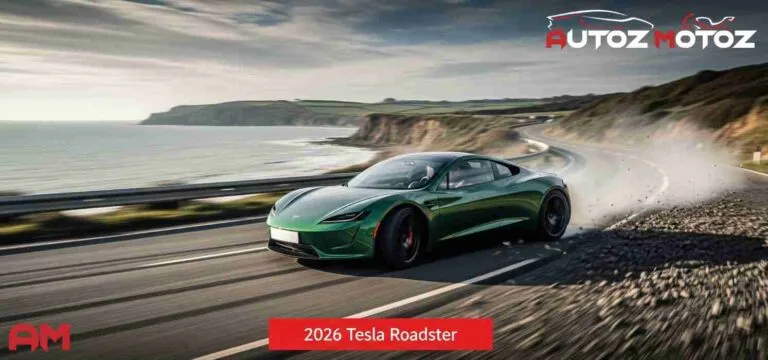
2026 Tesla Roadster
| Acceleration | Sub-1.0 second (SpaceX Package) |
| Top Speed | Exceeds 250 mph |
| Description | Electric supercar utilizing 4680 cells and an optional cold-gas thruster system. |

Technical precision in motorcycles, cars, and automotive gear is established by Nahid Hassan through rigorous evaluation. Performance-driven reviews and high-value affiliate insights are consistently curated at AutoZMotoZ to ensure reader trust. Absolute integrity is maintained in every analysis, with a focus on original and human-verified data.